Problem Background
Context and Economic Fragility
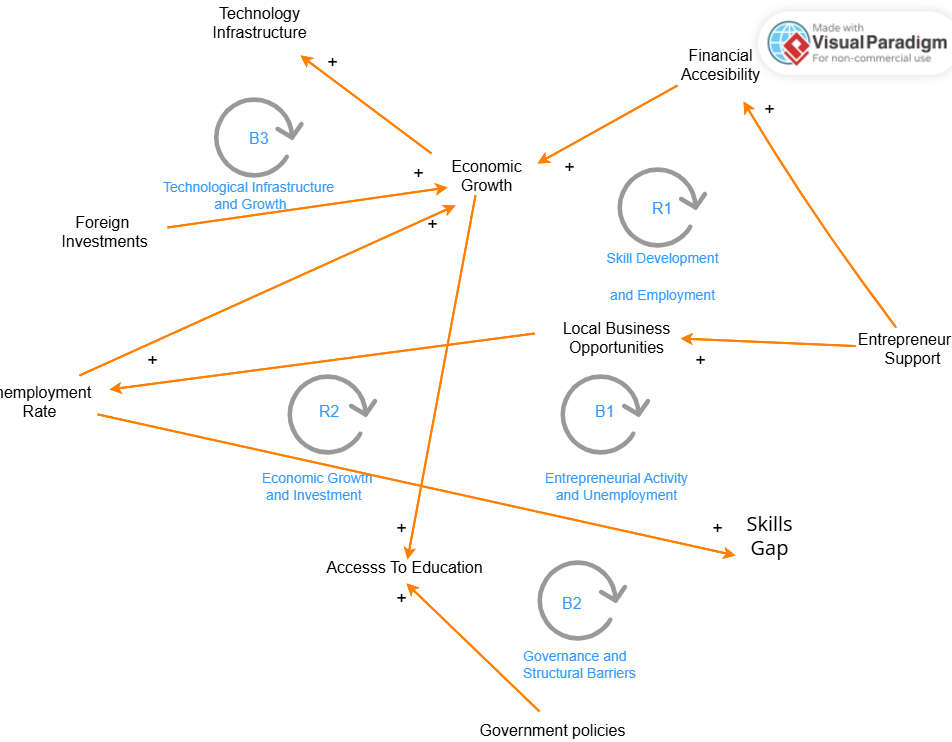
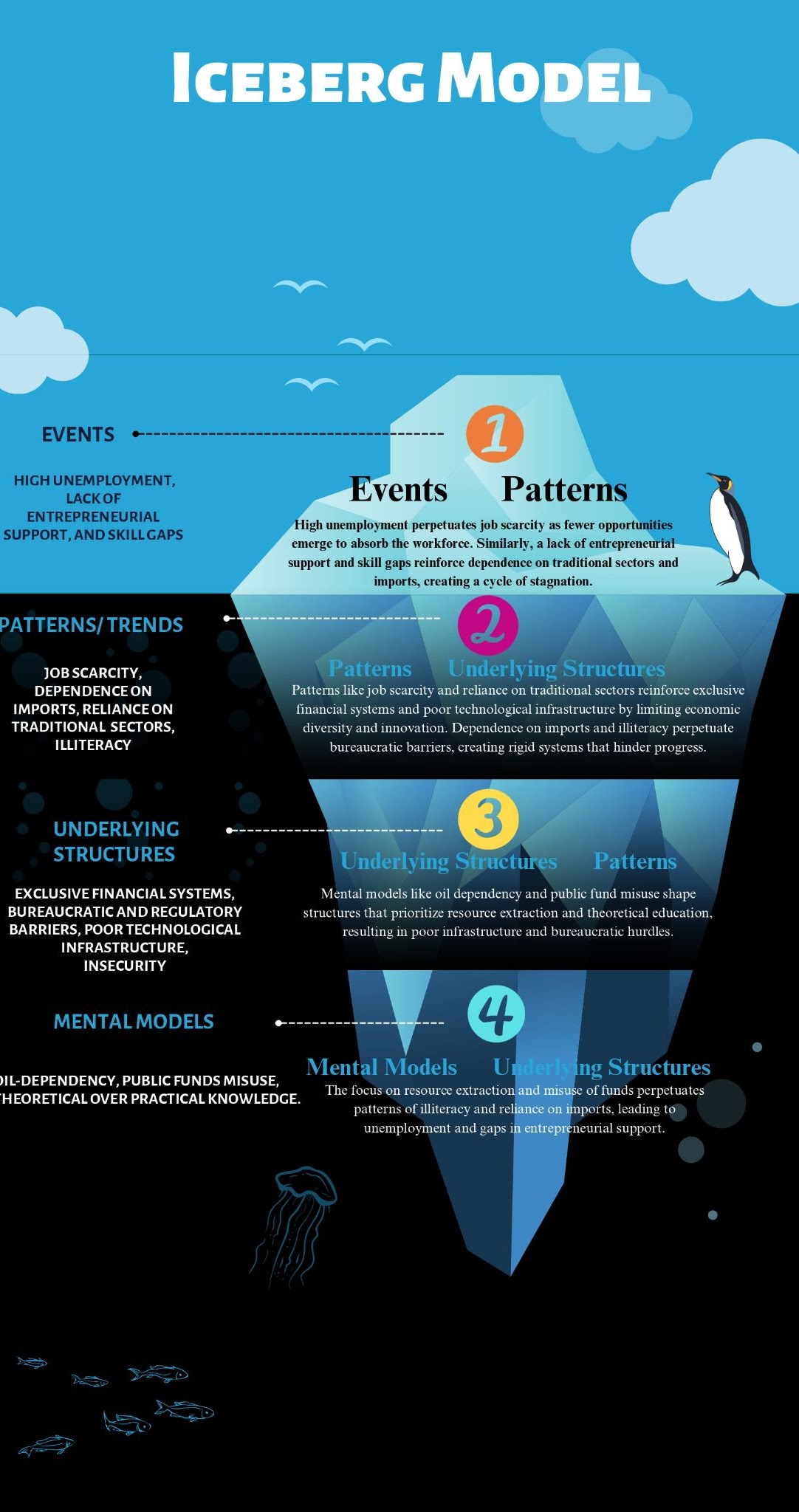
South Sudan's economy has been one of the most fragile in the last decade. The country's economy is in crisis — the South Sudanese pound has declined in value and the cost of goods and services has skyrocketed. At one point the inflation rate reached 835 percent, the highest in the world at the time (Mercy Corps, 2023). South Sudan's economic situation is jeopardized by the heavy reliance on oil revenue, which limits industrial diversification.
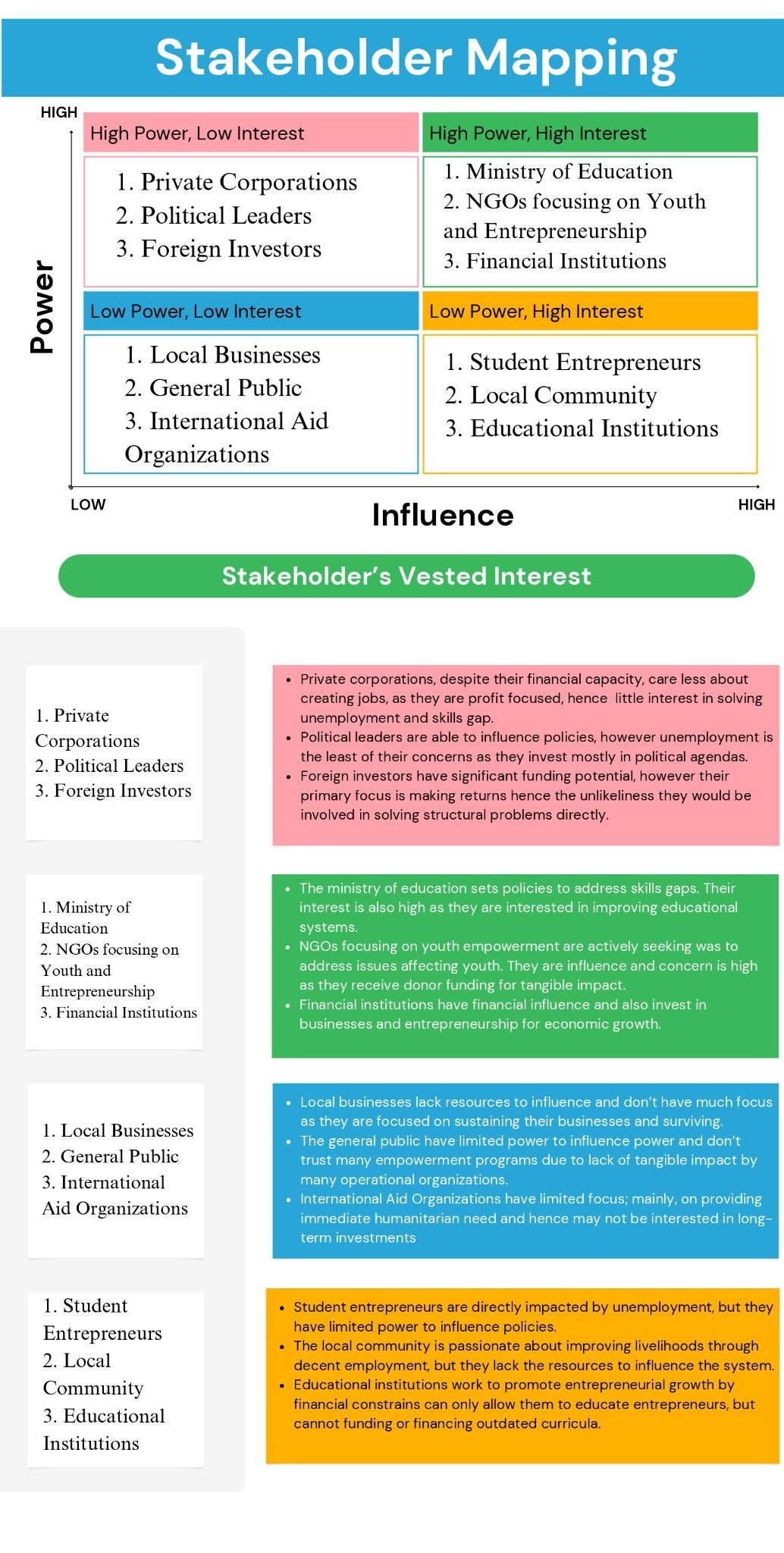
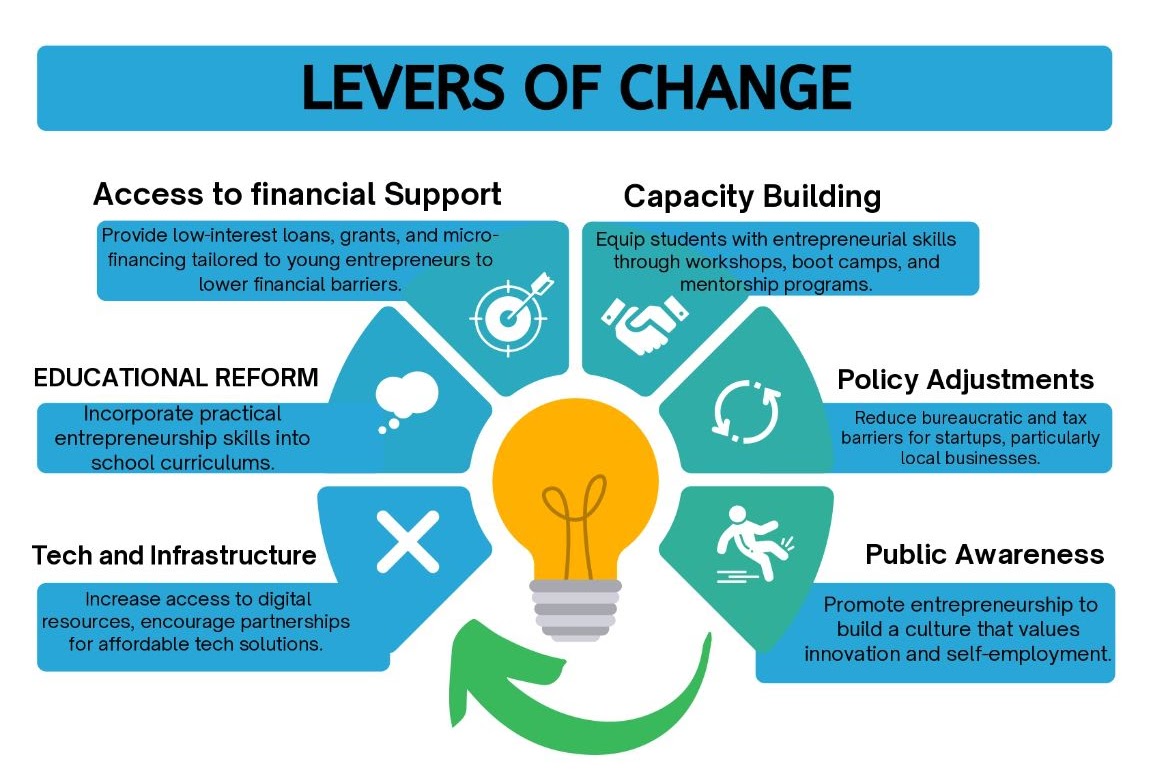
The youth unemployment rate stands at over 40%, and rural areas are often economically excluded. While regionally, youth are addressing unemployment through entrepreneurship sustained by funding for developing countries, South Sudan lacks access to mentorship, funding, and business development — limiting the country's potential for economic growth.
The problem is further exacerbated by cultural perceptions towards work. Most South Sudanese have a "manager's mindset," fearing risk and preferring white-collar jobs, which are very limited across the country. This system requires an approach that combines short-term goals with long-term visions.