Development Trajectory of South Sudan

Academic Research  ·  Political Economy  ·  15 min read

South Sudan, the world's youngest nation, has already had a long political history that spans conflict between the government, opposing forces, and their respective allied militias, as well as intercommunal violence that has resulted in the deaths, injuries, and displacement of millions of civilians.

Development trajectory of South Sudan — economic and political analysis
South Sudan's macroeconomic and political landscape

Economic Contraction and Political Instability

Borrowing data from the African Economic Outlook 2023, South Sudan's economy contracted by 4.6% in 2022 (AfDB, 2023). Continuous conflicts and high levels of insecurity have halted economic activities time and again, displacing millions and leading to a contraction in economic output (IMF, 2024). Hyperinflation has been a frequent challenge, with rates reported as high as 3,000% over the years.

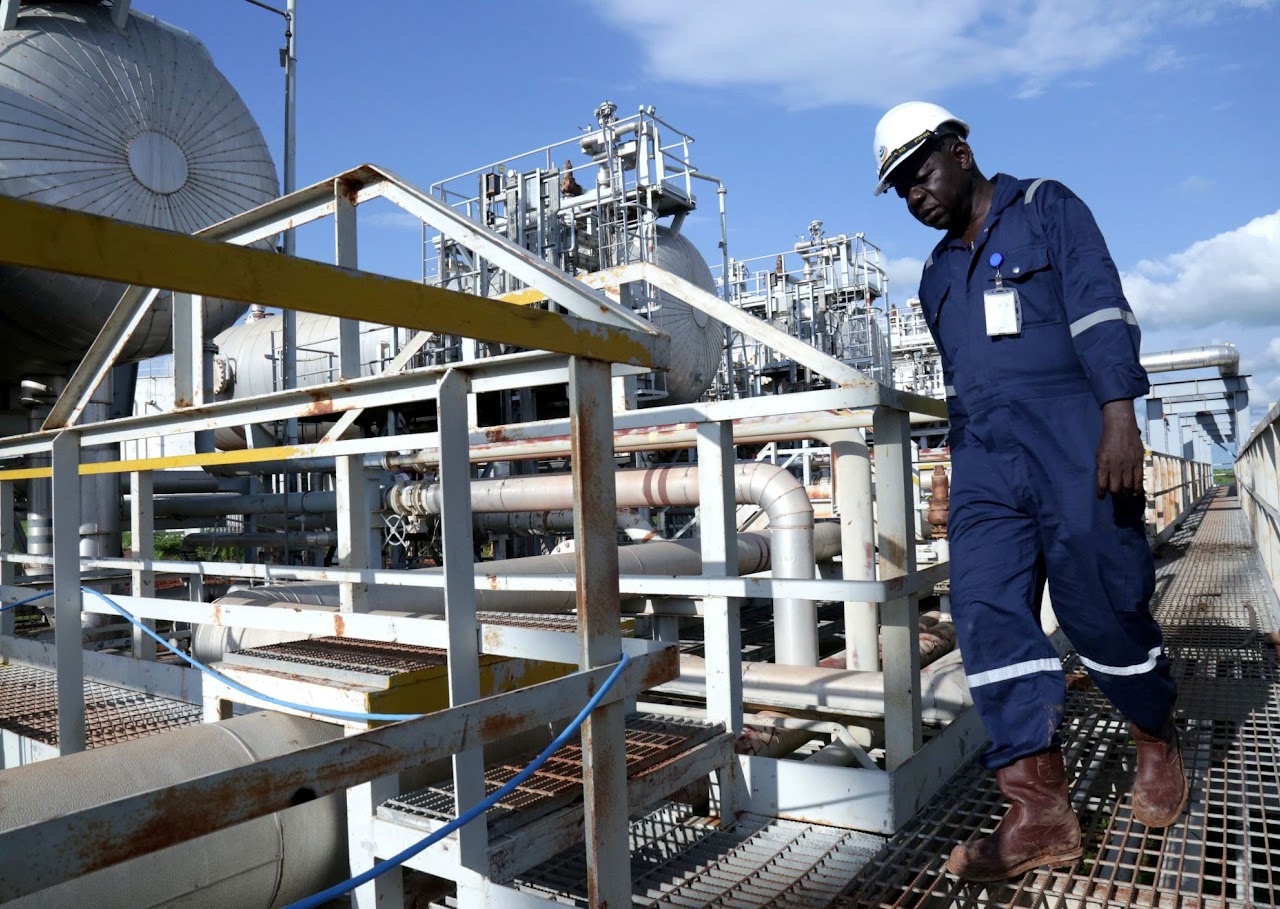
The influx of over 630,000 refugees and returnees from the Sudan conflict has increased pressure on limited access to food, water, and essential health services. The closure of the port of Sudan has halted crude oil exports, significantly affecting the economy. High unemployment and underemployment rates — especially among youth — force many into illicit activities or armed forces (ILO, 2024).

South Sudan ranks among the lowest nations on the Human Development Index. Literacy rates, life expectancy, and healthcare access are far below average. The legacy of colonisation — a systematic process of domination — still lingers in the country's social, political, and economic structure.

Economic Contraction Hyperinflation Displacement Post-Conflict Development
Opportunities and pathways forward for South Sudan
Pathways to sustainable development and regional cooperation

Diaspora Investment, Climate Strategy, and Grassroots Action

The South Sudanese diaspora could provide much-needed capital and expertise. In 2021 alone, South Sudan received US$1.236 billion in remittances — 23.9% of GDP (IOM, 2023). The main challenge remains the mismanagement of these funds. Financial literacy advocacy and channelling remittances into entrepreneurship could transform the economy.

Overcoming colonial-era divisions requires inclusive policies that respect ethnic and cultural diversity, and grassroots movements that advocate equitable resource distribution and political representation. Grassroots peace-building efforts can complement national efforts, leading to regional stabilisation.

Floods in Jonglei and Upper Nile states have been a primary driver of displacement, devastating development gains. Incorporating climate-smart strategies into long-term development agendas is therefore essential.

Diaspora Investment Remittances Climate Adaptation Grassroots Peace-Building
Vision 2063 for South Sudan
A roadmap toward Vision 2063 — peace, prosperity, and development

What Future for South Sudan?

By 2063, South Sudan can overcome its past challenges, growing in peace, prosperity, and development. The vision anticipates an HDI of at least 0.750, mean years of study exceeding 15 years, life expectancy of at least 75 years, and GDP per capita rising to 10,000 USD.

Peace and Reconciliation: Genuine dialogue between conflicting parties, forgiveness, and building a shared national identity beyond tribal lines is the foundational step.

Institutional Strengthening: Transparency, accountability, and the rule of law must be restored across the judiciary, labour sector, law enforcement, and public administration.

Economic Diversification: South Sudan must move beyond oil dependency by investing in agriculture, infrastructure, and renewable energy to create jobs and stabilise the economy.

Infrastructure and Environmental Sustainability: Telecommunication networks, roads, and public amenities must be developed alongside conservation policies and renewable energy adoption.

Vision 2063 Institutional Reform Economic Diversification African Union
"South Sudan still has a long way to go, but combining exemplary leadership with regional cooperation through the EAC and the African Union can open the way to Vision 2063."
Previous Back to Academia Next